
How the Algorithm Can Change Your Life
What happens when your mother takes over your Netflix profile.

Have you noticed that your streaming services have an uncanny way of knowing the right content suggestions to show you? Whenever I log in to any of them, I am instantly confronted with a slew of titles that seem oddly specific and tailored to my very eclectic tastes. It’s not a coincidence, it’s the algorithm, and many factors go into making it capable of reading our minds.
For example, Netflix uses a variety of factors, including the movies and TV shows you have watched in the past, the movies and TV shows your friends have watched, and the movies and TV shows that are popular with people who have similar viewing habits to you. The algorithm then uses this information to recommend movies and TV shows it is probable that you will enjoy.
Algorithms are everywhere. They are so prevalent in daily lives that we have come to expect this type of hyper-specific content curation, not only with Netflix but with numerous other services we enjoy today. Things like:
Search engines like Google and Bing use algorithms to predict what you are looking for based on your past search history.
Social media platforms like Facebook and Twitter use algorithms to predict what content you will be interested in based on your past interactions with the platform.
Email providers like Gmail and Outlook use algorithms to predict which emails are most important to you and sort them accordingly.
Online shopping platforms like Amazon and eBay use algorithms to predict what products you will probably buy based on your past purchases.
Streaming services like Netflix and Hulu use algorithms to predict what movies and TV shows you probably will watch based on your viewing history.
Ride-hailing services like Uber and Lyft use algorithms to predict where you probably will go based on your past trips.
Weather apps use algorithms to predict the weather based on your current location and past weather patterns.
News apps use algorithms to predict what news stories you are likely to be interested in based on your past reading history.
These algorithms are being continually updated and improved to enhance their precision. This is done by feeding them more data and training them on a variety of tasks. The more data they receive, the better they understand and process information. This is why it is important to have varied datasets available for these algorithms to learn from. Even so, and probably because this is done by humans, they are notoriously biased.
If you have ever used TikTok, you will get this reference. When I started on the app, I ended up on #lesbiantok. I identify as straight, however. After a while, the algorithm adjusted itself, and now I am on the #genxcrew side of TikTok. Mostly accurate, I am GenX. TikTok's algorithm learned that I liked and commented on videos with a GenX focus more than others and adjusted to push similar content knowing I would probably engage with it.
Now, imagine what would happen to your TikTok algorithm if your mother accidentally logged on as you and started browsing silver sister content and those viral swirl-cup videos. I’ll tell you what would happen. The next time you logged in, your feed would be filled with whatever genre of content grandma was watching. It would take days to right the ship to get back to the content you enjoy. The algorithm, she is a fickle beast.
Confidentially, I share my Netflix account with my two kids and mother. Each person has their own profile. My boyfriend and I share one profile. We like pretty much the same stuff, but it’s easy to guess who added what. If it is British, it is likely mine, but that’s about as far as I go into international titles, except for an occasional one or two. So, it was a bit of a head-scratcher when I logged on one evening to be greeted by Italian-language films.
I have nothing against international films, in fact, I rather enjoy them. However, I did not feel like reading my movies that evening and wondered what had happened to Netflix that I couldn’t see any English-speaking films. So, I went to my queue to find something light and easy, rather than rely on an algorithm that was clearly off.
And there it was staring me right in the face, the first four films in my queue, plain as day, and fully in Italian. I immediately knew what had happened. My mother had accidentally logged into my Netflix profile, binge-watched movies in her mother tongue (Italian), and added more to her (my) queue. From the looks of the trailers, she was either laughing hysterically or crying like a baby. Italians love drama and good humor. I promptly removed the four films from my watchlist and then spent the next month or so fending off every Italian-made film and series ever made.
Finally, I gave up. Resistance seemed futile.
Netflix must have smelled my defeat because the first suggestion it showed was The Law According to Lidia Poët, from Italy. The logline read, “In this gripping period drama, Lidia Poët investigates murders while fighting to practice law. Inspired by the true story of Italy's first female lawyer.” I sighed, grabbed my readers, and hit play.
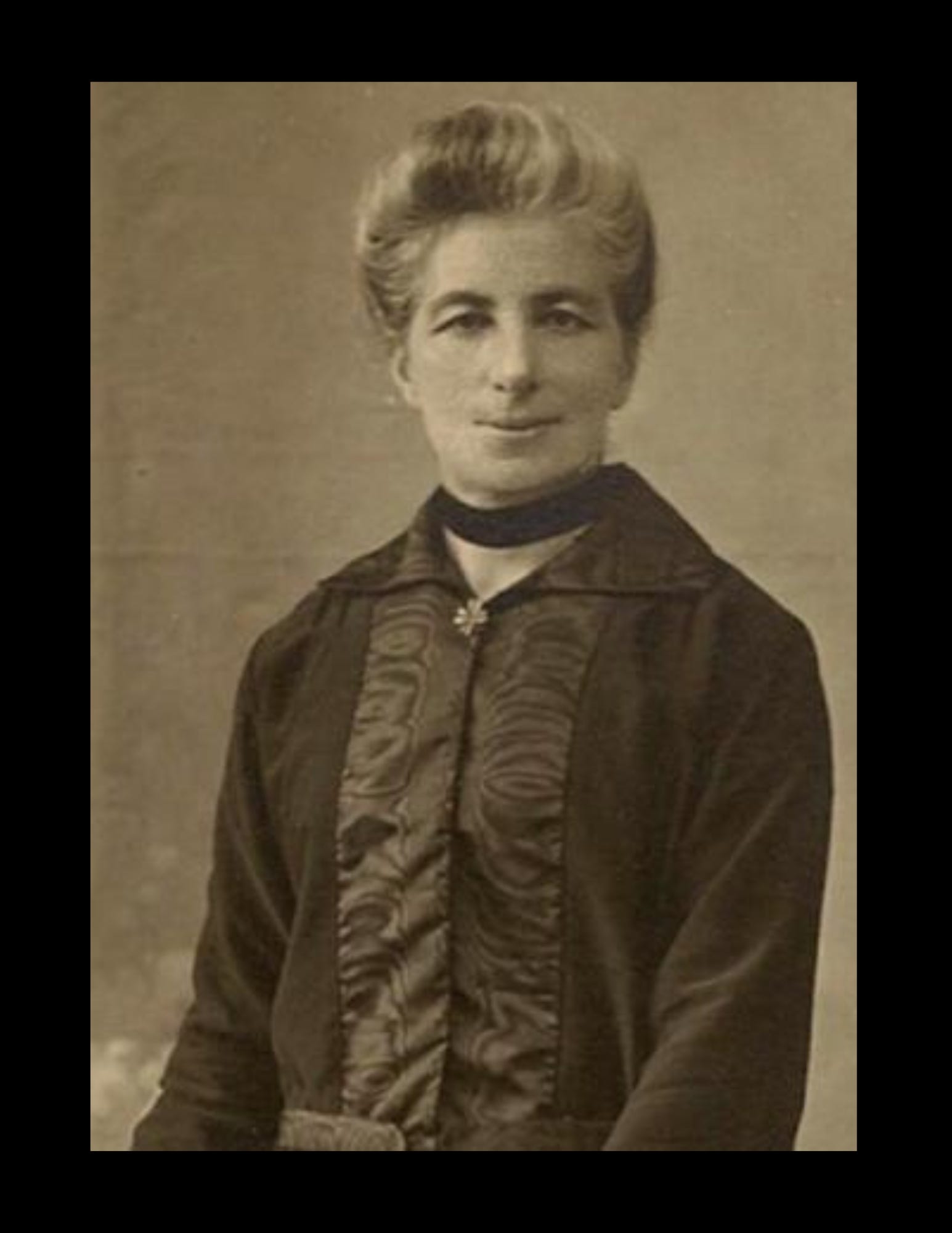
It is set in the late nineteenth century and purports to be about the first female to practice law in Italy, Lidia Poët. I did a quick internet search to validate that claim and found this article, claiming Giustina Rocca di Trani holds that honor. Either way, the story is captivating and based on the life of a real person.
Lidia Poët is a coming-of-age series that follows the life of a young woman who is trying to find her place in a world dominated by men. Set in Turin in the early 1900s, it follows Lidia as she navigates the challenges of love, family, and work. She solves mysteries with her brother, wins cases as his assistant in the courtroom, has torrid love affairs with suitors, and fights for her independence as a woman lawyer in a society that would prefer her married and pregnant. I devoured the whole series in a few days.
Okay, Netflix, I see what you did, and I’m not mad about it. In fact, I was thoroughly entertained. I fully recommend watching The Law According to Lidia Poët if you are looking for a series with an intriguing storyline, well-developed characters, extravagant costumes and scenery, excellent writing, and subtitles.
Once I finished reading the series, I couldn’t help but wonder if I would have found Lidia Poët had my mother not hijacked my profile. My guess is probably not. So if you’re reading this Mom, thanks. But it does bring up an even larger question in my mind about the algorithm of life. That is to say, the choices that we make daily are in a sense our own personal algorithm. Our actions have a direct impact on what we perceive, and that shapes our beliefs and values. So, what would happen if our life patterns were interrupted by an outside force? Would our viewpoints change? Of course, they would.
I bet most of us can think of a fork in our lives when we had to make a difficult choice because the future was riding on it. Would the future have changed if you made a different one? Imagine how different your life would be.
Watching Lidia Poët didn’t inspire me to go out and become a lawyer. However, it did open up a greater possibility of me being exposed to shows I otherwise would not have accessed. That’s a good thing. Exposure to other cultures enriches my life, and this one happens to belong to my heritage. Although I enjoyed watching Lidia, it could have gone the other way, too. I could have hated it. It was a chance I took when I hit play. I’m not sorry I did.
Life is pretty similar, isn’t it? Consistently making the same choices gives us similar results. Making different choices can connect us to experiences we may not have had. Our brains need information to make decisions, and the more varied the data we feed it, the better it becomes at understanding and processing information that may seem foreign.
It is important to remember that we aren’t locked into anything, we can always hit pause or switch direction halfway through. Ultimately, just like our viewing preferences, the choices we make in life are up to us. We should choose wisely but remember there is room to grow. When we do this, we are able to open up new worlds.
I now subscribe to MHZ which streams all manner of foreign films and television, not only Italian but also French, and German and Spanish, etc. I love finding new perspectives and approaches, not to mention seeing the beautiful scenery. Being your mother’s daughter sometimes is not a bad thing.
Love,
Mom